
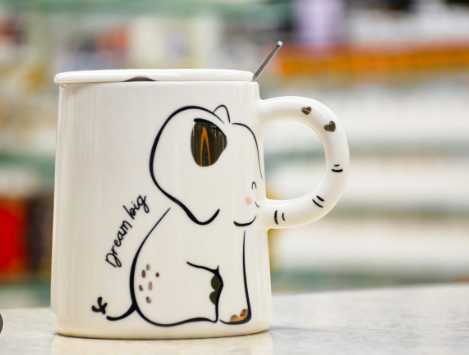
Designing a mug can be an exciting endeavor, whether for personal use, gifting, or even starting a small business. Mugs are not just practical items; they can showcase creativity and express individuality. In this article, we’ll explore key aspects of mug design to help you create something truly special.
Choosing the Right Material
The material you select for your mug plays a significant role in its durability and aesthetic appeal. Common materials include ceramic, glass, stainless steel, and plastic. Ceramic mugs are classic and allow for vibrant designs, while stainless steel options are perfect for outdoor enthusiasts who need their beverages kept hot or cold. Additionally, consider the weight and texture of the material: heavier mugs often feel more substantial and luxurious in hand, while lighter ones are more portable. Your choice of material can influence not just the look, but also how your design is perceived.
Incorporating Unique Designs
When it comes to the design itself, think outside the box! You can experiment with various design elements such as color schemes, patterns, and typography. If you’re skilled in graphic design, use software to create custom images or illustrations. However, even simple designs, like a minimalist logo or a catchy quote, can capture attention. Remember to consider the mug’s shape and size as these factors can influence how your design looks. Don’t hesitate to draw inspiration from nature, art, or your personal experiences to make your mug unique.
Personalization and Customization
One of the biggest trends in mug design is personalization. Customized mugs make perfect gifts and can lead to more meaningful connections with others. Consider incorporating names, dates, or significant phrases. You can also offer options for customized colors or patterns, which provide clients the opportunity to create something that feels special to them. Additionally, using a variety of printing methods, like sublimation or screen printing, can help bring your vision to life. Remember that personalization adds value; customers are often willing to pay a bit more for a mug that feels uniquely theirs.
In conclusion, designing a mug is an enjoyable project that combines creativity with functionality. Whether you’re creating a special gift or contemplating a new business venture, selecting the right material, developing a unique design, and embracing personalization will help you craft a mug that resonates with your audience. So grab your sketchbook or design software, and start brainstorming your mug ideas today!