
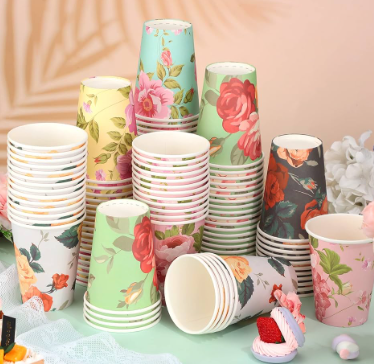
Disposable coffee cups have become an everyday staple for millions of people around the world. Despite their convenience, the environmental implications of these cups are significant, leading to innovative designs aimed at reducing waste and enhancing user experience. This article will explore the evolution of disposable coffee cup design, environmental considerations, and the future of sustainable options.
The Evolution of Disposable Coffee Cups
The design of disposable coffee cups has come a long way since their introduction in the mid-20th century. Initially made of simple paper, these cups often leaked and offered little insulation. To address these issues, manufacturers began to introduce lined cups, which improved their durability and heat retention. As coffee culture exploded, so did the emphasis on aesthetic appeal; cups began featuring colorful designs and logos for branding purposes. Today, brands are focusing on user-friendly features as well, such as reinforced lids that prevent spills and double-walled designs for comfort.
Environmental Considerations
With the rise in coffee consumption, the environmental impact of single-use cups has garnered significant attention. Traditional disposable cups are often made from polyethylene-lined paper, making them difficult to recycle. As a result, millions of cups end up in landfills every year. In response, various companies are investing in research and development of eco-friendly alternatives. Biodegradable materials, plant-based plastics, and reusable options are becoming increasingly popular. Consumers are now more aware of the sustainability of their choices, urging brands to implement greener practices in the production of disposable cups.
Innovations for a Sustainable Future
The challenge of balancing convenience with environmental responsibility has spurred innovative solutions in disposable coffee cup design. Some companies are experimenting with revolutionary materials like mycelium and bamboo, which are not only biodegradable but also contribute to sustainability. Furthermore, exciting advancements in packaging technology allow for cups that maintain quality while being easier to recycle. Initiatives such as cup return programs and incentives for bringing reusable containers are also gaining traction. These innovations not only meet consumer demands but are also paving the way for more sustainable practices in the coffee industry.
In conclusion, disposable coffee cup design is evolving rapidly to meet the needs of modern consumers while being mindful of the environment. By exploring innovations and sustainable practices, brands can contribute to a greener future without sacrificing convenience. For those interested in making informed choices, pay attention to the materials and design choices of your favorite coffee shops, and consider opting for reusable options whenever possible. Let’s continue to support a coffee culture that values both taste and sustainability!